Need walk-in tubs in Lindenhurst?
Tell us what makes your bathroom difficult to use. Request a callback to discuss a provider referral, or send the request form with your project details.
No obligation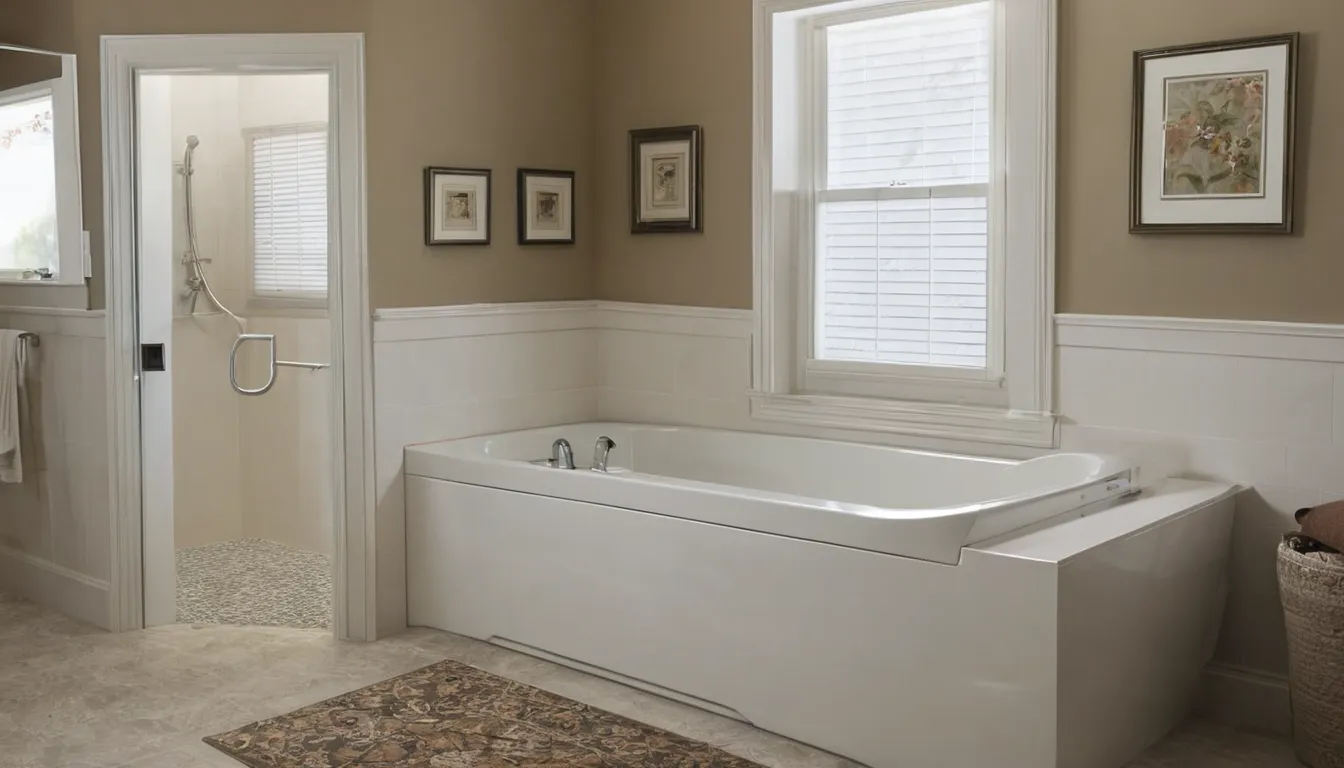
When stepping over a tub wall becomes difficult, choosing a replacement can feel like solving a puzzle with missing pieces. The door, seat, controls, and bathroom layout all need to work together. Dealtcare Walk-In Tubs connects homeowners with independent local walk-in tub providers serving Lindenhurst and the Lindenhurst area. Providers in our network assess the space, explain suitable options, and prepare their own estimates. The provider handles measurements, product recommendations, and installation.
Planning follows a sequence: understand the bathing routine, check the room, then choose equipment. Decisions made early can affect water supply, access, and time without a working bath. A clear written scope also helps protect finishes and document changes for future buyers. You can discuss comfort, ask practical questions, and compare proposals without feeling pushed toward a particular model or a rushed decision.
If getting into the tub feels uncertain, start by identifying the hardest movement. Is it lifting a leg, lowering onto the floor, or standing afterward? That detail helps a local provider discuss whether a walk-in tub fits your needs. Think of it like locating a tight spot in a shoe before choosing another pair. Avoid ordering from a photo alone. Request a callback to check provider availability and explain what has changed in your bathing routine.
A walk-in tub usually requires you to enter, close the door, sit, and then fill it. You generally remain inside until the water drains below the door opening. Like waiting for a washing machine to finish its cycle, that sequence affects how the product feels in daily use. Ask the provider to explain filling and draining for the exact model. Consider whether seated waiting, reaching controls, and handling the latch feel manageable for the person using it.
Senior walk-in tubs come in different sizes, but the label alone does not tell you whether a model suits someone. Seat height, legroom, door width, and hand strength matter. Choosing the seat is much like choosing a dining chair: the right height matters more than its appearance. Include the person who will use the tub in measurements and product discussions. If transfers require help, explain that before selecting a door or deciding where support bars should go.
A low entry threshold reduces the height of the step, but it does not remove every obstacle. Grab bars provide a place to hold, while textured surfaces can improve footing when maintained as directed. Reachable controls and a handheld spray may make washing easier. Treat the feature list like a toolbox: each item should solve a real problem. Ask how temperature controls work, where supports attach, and whether the door can open fully with nearby fixtures in place.
A soaker offers a seated bath without powered massage features. Other models use water jets, air bubbles, or both. Compare these choices as you would kitchen appliances: extra functions also bring operating and cleaning tasks. Ask for the maintenance instructions before selecting a jetted model. Understand the controls, sound, electrical needs, and access for servicing. Choose features for comfort and practical use; do not assume that a product will treat a health condition or suit every user.
The bathroom opening is only part of the measurement visit. The provider should also check hallways, stairs, turns, and the route from the entrance. Moving a tub is like moving a sofa: a suitable space means little if the item cannot reach it. Older homes may have narrow doors or uneven floors. In a multi-family property, building rules and shared access may affect delivery. Confirm these details before ordering so the proposed tub replacement accounts for the whole route.
The condition beneath the old tub can change the work required. A provider may find worn plumbing, damp materials, or flooring that needs repair after removal. Think of the visible tile as a book cover; it cannot show everything inside. Ask how hidden conditions will be photographed, priced, and approved. Where accessible, basement plumbing may help the provider assess supply and drainage. Following snowmelt or coastal storms, mention known moisture problems rather than assuming the bathroom is unaffected.
A larger bathing volume may place different demands on the existing water heater. Checking this before purchase is like checking a fuel tank before a longer trip. The provider should compare the model's water needs with heater capacity, temperature settings, and household demand. Ask whether plumbing or electrical changes belong in the estimate. During cold winters, incoming water can be colder, which may affect recovery. Avoid assuming that the current heater is suitable simply because it serves the existing tub.
Before installation starts, ask for a written scope naming the tub, included fittings, disposal, plumbing, electrical work, and finish repairs. A useful scope works like a shopping receipt prepared in advance: it shows what you are agreeing to buy. Confirm who handles any required permits and inspections. Ask how changes receive approval and when payments are due. Dealtcare Walk-In Tubs makes the referral; the independent provider explains the work, supplies the quote, and is responsible for the installation arrangement.
Ask the provider when the bathroom becomes unavailable and which tasks must finish before bathing resumes. Delivery, removal, repairs, connections, and finish work may take different amounts of time. Like a meal with several dishes, the order matters as much as each task. Arrange another bathing option if needed. Snow or storm conditions can affect deliveries and access, so discuss scheduling updates. A safe bathing conversion should allow for required checks and material curing rather than rely on an assumed deadline.
Before accepting the finished work, ask the provider to demonstrate the door latch, drain, spray, temperature controls, and any powered features. This is like learning the controls in a different car before setting off. Have the user try reachable parts while the tub is empty and the floor is dry. Ask the provider to demonstrate filling and draining and check connections for leaks. Keep model details, care instructions, warranty terms, and the provider's contact information together for later questions.
Follow the manufacturer's cleaning instructions for the door seal, surfaces, and any jet system. Small checks are like checking a window seal: noticing wear early gives you a chance to arrange repairs before surrounding finishes suffer. Report new leaks, loose supports, or latch problems to the provider. Keep installation records and required approvals with your home documents. Thoughtful work can help protect the room's condition, but buyer preferences differ, and a walk-in tub does not promise a higher resale price.
Discuss entry, seating, and controls with a local provider, like checking a chair before bringing it home.
Measurements connect doorways, fixtures, and tub dimensions like pieces of a room puzzle.
The provider checks household demand against the tub's needs, like checking a tank before planning a longer trip.
A written proposal acts like a packing list, showing which installation tasks and finish repairs belong in the price.
Think of the budget as a basket of separate items. These typical U.S. ranges vary by model, access, and job conditions. Some items overlap; request a written quote showing what the provider includes before comparing totals.
| Item | Typical U.S. range | Notes |
|---|---|---|
| Soaking walk-in tub unit | $2,000 – $5,000 | Unit only; size and door design affect price. |
| Jetted or combination tub unit | $4,000 – $10,000 | Alternative to a soaking unit; features vary. |
| Installation labor and connections | $2,000 – $6,000 | Scope depends on access and existing services. |
| Old tub removal and disposal | $300 – $1,200 | May already be included in installation. |
| Water heater replacement, if needed | $1,500 – $4,000 | Equipment, fuel type, and required changes affect price. |
| Surround and floor finish repairs | $500 – $3,000 | Extent depends on removal and existing damage. |
Explain the difficult part of bathing; like marking a map, this gives the provider a useful starting point.
The provider checks fit and connections, like measuring shelves before choosing storage boxes.
Use the scope like a checklist for equipment, repairs, payment terms, and responsibilities.
Arrange a product demonstration, like a practice run, before settling into your changed bathing routine.
Dealtcare Walk-In Tubs provides the introduction, like a directory with a next step; the independent provider handles assessment, pricing, and installation.
Project stages offer a map, helping you discuss measurements before committing to a model.
Looking beneath finishes is like checking a foundation; sound preparation helps protect the room around your tub.
A question list works like a bookmark, keeping your concerns visible while you review a provider's proposal.
Tell us what makes your bathroom difficult to use. Request a callback to discuss a provider referral, or send the request form with your project details.
No obligationSome models fit a similar footprint, but door clearance, plumbing, and delivery access still need checking. Like replacing a cabinet, matching width alone is not enough. Ask a local provider to measure before ordering.
Timing depends on delivery, removal, plumbing, repairs, and required checks. Like decorating a room, hidden preparation can change the schedule. Ask the provider for project stages and when the tub can be used.
A walk-in tub may appeal to some buyers, but preferences vary. Like other personal home choices, it offers no promised resale gain. Keep installation and maintenance records.
Tell us what makes your bathroom difficult to use. Request a callback to discuss a provider referral, or send the request form with your project details.
No obligation